Dewatering Systems
Geotextile dewatering and sediment control systems for mining tailings, dredging spoil, sludge lagoons, construction runoff and environmental remediation across Africa. High-strength woven filtration fabric retains fines while releasing clean effluent, cutting slurry volume by up to 90% and turning pumpable waste into a stackable, transportable solid. The range covers GeoTubes up to 36.6 m circumference for large-volume tailings and dredging, FlowTex bags manufactured in South Africa for site runoff and small-scale sludge, and GeoCurtain turbidity barriers in freshwater, estuarine and marine classes. UV-stabilised for extended outdoor exposure and fully compatible with polymer conditioning and flocculation programmes. Sizing, layout planning and on-site commissioning support included with every project.
| About Dewatering Systems
Geotextile dewatering systems are one of the most versatile and cost-effective solutions for separating solids from liquids at scale. Whether you are managing slurry from a tailings operation, dewatering dredged sediment from a harbour, containing fine particles on an active construction site, or controlling turbidity in a sensitive aquatic environment, the right geotextile containment and filtration system dramatically reduces disposal volumes, accelerates site rehabilitation, and ensures regulatory compliance.
Geosynthetics Africa supplies a comprehensive range of geotextile dewatering and sediment control products suited to projects of every scale. Our offering includes GEOTUBE® large-diameter dewatering tubes from Solmax - one of the world's leading geosynthetic manufacturers - alongside the locally manufactured FlowTex range of dewatering bags and tubes, engineered and produced in South Africa for rapid availability and project-specific customisation. For aquatic turbidity and sediment control, our GeoCurtain silt and turbidity curtain systems provide flexible, deployable barriers proven in harbour works, river crossings, coastal construction, and dam rehabilitation projects.
Each product category within this section addresses a specific stage or challenge in the dewatering and sediment management process. Dewatering tubes and bags capture and consolidate fine-grained slurries, allowing clean effluent to pass through the geotextile fabric while retaining solids for safe disposal or reuse. Silt and turbidity curtains intercept suspended sediment plumes at the water surface, preventing the migration of fine particles beyond the work zone boundary. Together, these systems form a complete sediment management toolkit for project engineers, environmental consultants, and site managers.
Our technical team works with clients across South Africa, East Africa, and the broader sub-Saharan region to select, size, and specify the most appropriate system for each application. We consider factors including slurry particle size distribution, flow volumes, site footprint constraints, effluent quality requirements, and available dewatering time - ensuring every recommendation is grounded in engineering reality rather than catalogue defaults.
| Common Applications and Engineering Use Cases
Sludge Dewatering
Geotextile dewatering bags and tubes for sludge and sediment handling. Select the exact product grade and installation detail through the approved project design.
Read MoreSediment & Process-Water Dewatering
Geotextile dewatering bags and tubes for sludge and sediment handling. Select the exact product grade and installation detail through the approved project design.
Read MoreMarine Sediment Control
Geotextile sand-container systems and sediment-control measures for coastal works. Select the exact product grade and installation detail through the approved project design.
Read More| Properties & Specifications
| Specification | Dewatering Tubes | Dewatering Bags | Silt & Turbidity Curtains |
|---|---|---|---|
| Fabric Type | Woven Polypropylene Slit Film | Woven Slit Film / Monofilament | Woven & Non-Woven Geotextile |
| Circumference / Size | Up to 36.6 m circumference | Custom fabricated to project requirements | Depth rated — light, medium, heavy duty |
| Unit Length | Up to 57 m per unit | Project specific | Up to 100 m+ continuous runs |
| UV Stabilisation | Yes | Yes | Yes |
| Fill Method | Hydraulic pumping | Hydraulic or mechanical | N/A - deployed as barrier |
| Effluent Control | Controlled filtration through fabric | Controlled filtration through fabric | Surface sediment interception |
| Polymer Compatible | Yes | Yes | n/a |
| Deployment Environment | Land-based containment areas | Land-based containment areas | Rivers, Oceans, Lagoos, Dams |
| Reusability | Multi-fill capable | Single or multi-use | Retrievable and redeployable |
| Types of Dewatering Systems
Geotextile Dewatering Tubes
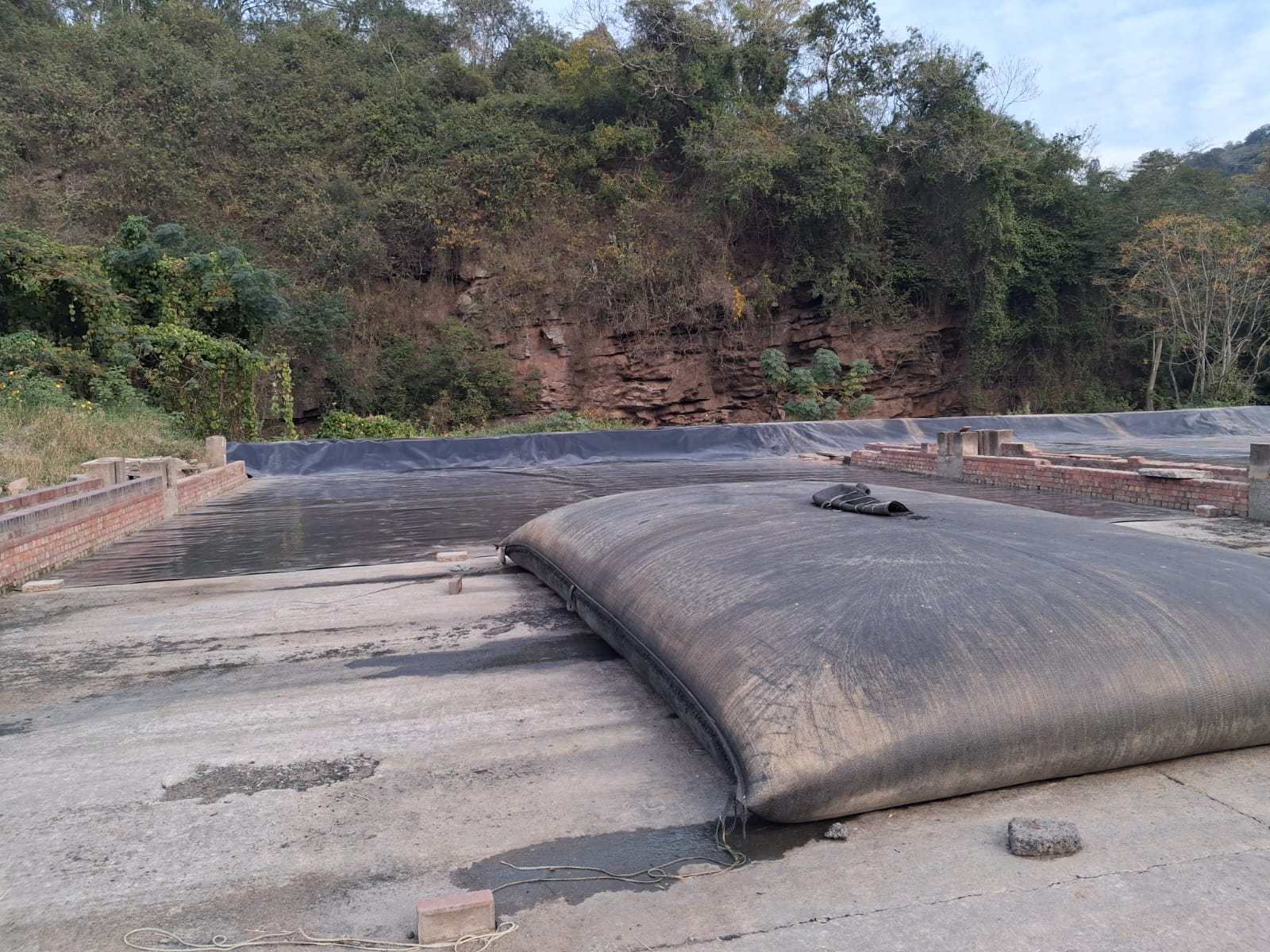
Large-diameter woven polypropylene tubes filled hydraulically with slurry, allowing water to filter through the fabric while retaining solids for consolidation and disposal. Available as GeoTube by Solmax for high-volume industrial and dredging applications, and as FlowTex Dewatering Tubes manufactured locally in South Africa for faster supply and project flexibility.
Geotextile Dewatering Bags
Compact, flexible dewatering units suited to smaller volumes of slurry, stormwater sediment, and construction site runoff. The FlowTex range includes both slit film and monofilament woven options, manufactured in South Africa, and sized to project requirements for easy handling and deployment on constrained sites.
Silt & Turbidity Curtains
Floating geotextile barriers deployed across waterbodies to intercept and contain suspended sediment plumes during construction, dredging, and marine works. GeoCurtain systems are available in multiple duty classes to suit water depth, current velocity, and exposure conditions across freshwater, estuarine, and coastal marine environments.
| Benefits of using Dewatering Systems
Non-Clogging Monofilament Technology
FlowTex Mono dewatering bags and tubes use a three-dimensional monofilament woven structure that maintains consistent flow and filtration efficiency even under high solids loading. Unlike conventional slit film products that blind and clog over time, FlowTex Mono keeps dewatering cycles short and productive - critical for fines-rich slurries, mine tailings, and long-duration applications.
Manufactured in South Africa
The FlowTex range is produced locally, giving you faster lead times, project-specific sizing, and direct technical support without the delays of international procurement. For time-critical projects across southern and east Africa, local manufacture is a practical and commercial advantage.
Engineered for African Conditions
From high-UV coastal environments to remote mining operations with aggressive slurry chemistry, our dewatering and curtain systems are specified with local site conditions in mind. UV-stabilised fabrics, robust seam construction, and application-matched filtration ratings ensure performance holds up in the field - not just in laboratory test sheets.
Complete System Supply
We supply more than just the fabric. GeoCurtain silt and turbidity curtain systems are available with all associated components - flotation, anchoring, ballast, and connector sections - ensuring you receive a deployable system rather than individual parts to assemble. The same principle applies to our dewatering tube and bag supply, where filling ports, manifolds, and polymer guidance are part of the package.
Technical Sizing and Application Support
Our team assists with system selection, tube sizing, filling rate calculations, curtain class specification, and polymer programme recommendations before your project begins. This reduces risk, avoids costly over-specification, and ensures the system you deploy is matched to your actual site conditions and regulatory requirements.
Industrial-Scale Dewatering with Solmax GeoTube
For high-volume industrial, mining, and dredging applications requiring maximum containment capacity, we supply GeoTube dewatering tubes from Solmax - one of the world's leading geosynthetic manufacturers. Available in circumferences of up to 36.6 m and lengths exceeding 57 m per unit, GeoTube systems are globally proven across large-scale tailings facilities, harbour dredging programmes, and industrial wastewater operations where no locally manufactured alternative can match the required scale.
| Frequently Asked Questions about Dewatering Systems
What is the difference between a silt curtain and a turbidity curtain?
How do I select the correct curtain class for my site?
How deep should a silt curtain skirt be?
Can silt curtains be reused?
What is the difference between FlowTex Mono and standard slit film dewatering bags?
How does FlowTex slit film compare to other locally available dewatering bags in terms of fabric strength?
What is the maximum size available for Solmax GeoTube dewatering tubes?
Does polymer conditioning improve dewatering performance and is it always required?
What applications are geotextile dewatering tubes and bags suited to?
| Specifications for Installing Dewatering Systems
GeoTube Dewatering Tubes (Solmax) - GeoTube units are delivered to site fully prefabricated and rolled for deployment. The containment area must be prepared in advance — typically a level, compacted surface or lined bunded area capable of supporting the filled weight of the tube. Inlet ports (Eyeports) are connected to the slurry supply line via standard pump fittings, and the tube is filled hydraulically at a controlled rate to avoid over-pressurisation of the fabric. Multiple inlet points can be used on large-diameter units to distribute fill evenly and reduce localised stress. A polymer conditioning programme should be established prior to filling where fine-grained slurries are involved. Effluent is discharged directly through the fabric and must be directed to a suitable collection or discharge point meeting site environmental permit conditions. Tubes can be filled in multiple cycles as consolidation occurs, progressively increasing solids content with each fill. Once dewatering is complete, tubes can be left in place for permanent containment or cut open for solids removal and disposal.
FlowTex Dewatering Tubes and Bags - FlowTex dewatering tubes and bags are deployed on a prepared, stable surface with adequate drainage fall to direct effluent away from the containment area. Bags are positioned with the inlet port orientated to receive the slurry feed from a pump or gravity line, and secured to prevent displacement during filling. For tube installations, the unit is unrolled along its full intended length before filling begins. Hydraulic filling is conducted at a controlled rate matched to the fabric permeability and slurry characteristics - overfilling beyond the design fill height will stress seams and reduce fabric life. Where slurry contains significant fine particles, polymer dosing upstream of the bag or tube inlet will improve filtration performance and effluent clarity. FlowTex Mono fabric is particularly suited to high-fines applications where sustained flow rate must be maintained through multiple fill cycles. Spent bags and tubes must be dewatered, dried, and disposed of in accordance with the waste classification of the retained solids.
GeoCurtain Silt and Turbidity Curtains - GeoCurtain silt and turbidity curtain installation begins with a site assessment to confirm water depth, current velocity, tidal variation, and anchoring substrate before any components are ordered or deployed. The anchoring system - comprising anchors, mooring lines, and anchor buoys - must be installed in the waterbody prior to deploying the curtain itself. Curtain sections are supplied furled on pallets and connected in sequence to achieve the required total span. Once the full curtain length is connected and secured to the anchoring system, ties furling the skirt are released and the curtain is allowed to drop into position under its own ballast weight. Towing of connected curtain sections to the deployment position should not exceed two to three knots to avoid fabric stress and uncontrolled unfurling. Following deployment, the curtain should be inspected to confirm the skirt is hanging freely without twisting around the flotation chamber. A minimum clearance of 0.5 m between the skirt base and the waterbody bed must be maintained at low tide. Curtains require periodic inspection for biofouling, anchor drift, and fabric integrity, particularly during extended deployments or following high-energy weather events.
| Benefits of Choosing Our Products
- High-capacity solids containment with controlled filtration rates suited to fine-grained slurries and dredged sediments
- Locally manufactured FlowTex dewatering bags and tubes available for fast delivery and project-specific sizing across Africa
- Locally manufactured FlowTex dewatering bags and tubes available for fast delivery and project-specific sizing across Africa
- GEOTUBE® systems from Solmax engineered for large-volume dewatering in mining tailings, dredging, and industrial wastewater applications
- GeoCurtain turbidity and silt curtains available in multiple classes and configurations to match site water depths, current velocities, and exposure conditions
- Geotextile fabrics selected for optimal apparent opening size (AOS) to balance filtration efficiency with structural integrity
- Reusable and multi-fill dewatering tube systems reduce long-term project cost where sequential filling cycles are planned
- Compatible with polymer conditioning and flocculation programmes to accelerate dewatering and improve effluent clarity
- Full system components available including anchor systems, flotation devices, connector sections, and weighted skirts for curtain deployments
- Suitable for freshwater, estuarine, and marine environments with UV-stabilised fabrics for extended outdoor deployment
- Technical support available for system sizing, filling rate calculations, effluent quality predictions, and site layout planning
| Projects with Dewatering Systems Across Africa
| Popular Dewatering Systems in our Catalogue
A curated selection of best-selling dewatering systems. View full specs, request a quote, or add to your BOQ — without leaving this page.
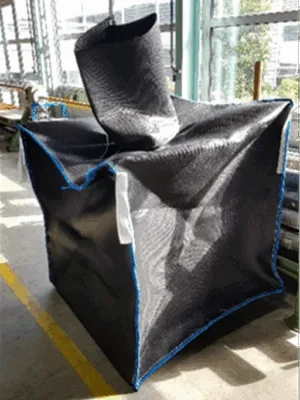
GEOTUBE® GT500 Dewatering Container
GEOTUBE® GT500 dewatering container, 1 m x 1 m, with sleeve and top cover, supplied across Africa by Geosynthetics Africa. GEOTUBE dewatering units from Solmax are fabricated from an engineered woven geotextile that confines solids while liquids pass through the pores of the fabric. As the contained material consolidates, its volume reduces over time. Once fully consolidated, units can be buried in place or cut open and the solids removed to landfill. Used for dewatering sludge, waste and dredged materials. GEOTUBE® is a registered trademark of Solmax.
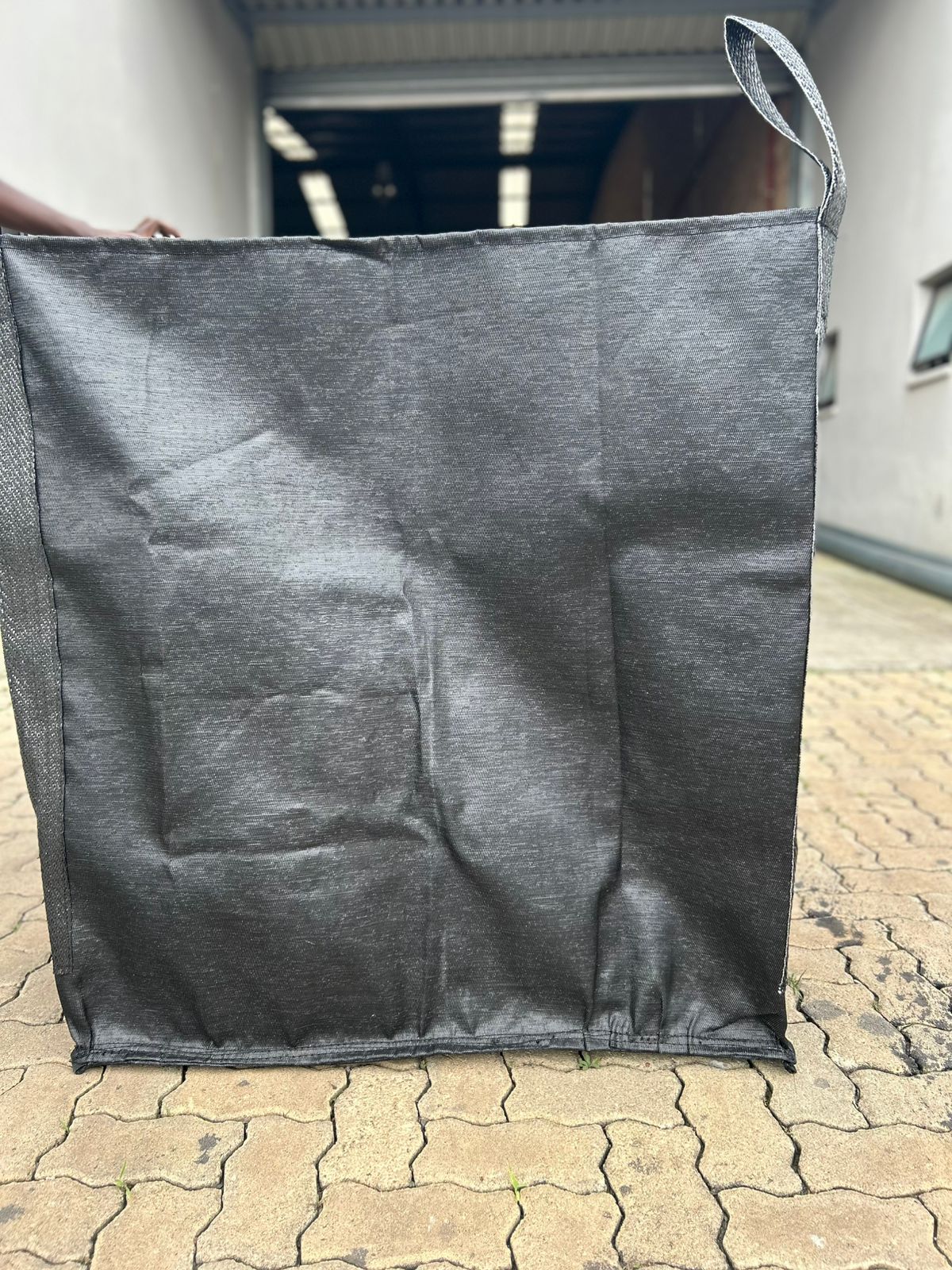
FlowTex™ - Geotextile Dewatering Bags
Geotextile dewatering bags in 1m × 1m × 1m format, available in slit film woven, monofilament woven and composite fabric constructions. Sewn with GORE™ TENARA® UV-stable thread, double-stitch lock seams at 70% seam efficiency, and integrated lifting slings rated to 2 tonnes. Nominal capacity 1 m³ of filtrate. Fabricated in South Africa, supplied continent-wide.
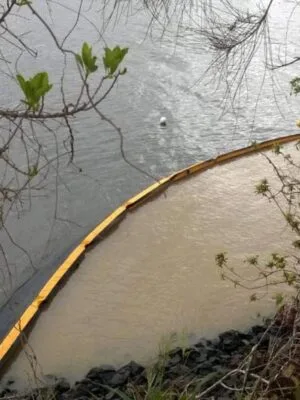
GeoCurtain™ Class 1 Silt Curtain – Calm Water Sediment Control
GeoCurtain™ Class 1 Silt Curtains are floating turbidity barriers engineered for calm, low-risk waterways such as lagoons, ponds and slow-moving streams, providing effective sediment containment for short-term marine and civil works.
| Industries that use Dewatering Systems
| Specsheets & Installation Guides
Download technical datasheets and step-by-step installation guides for Dewatering Systems.
BOQ Upload to Specific Sales
Upload your Bill of Quantities (BOQ) or drawings for a tailored quotation. Our sales team will review your requirements and provide a competitive pricing schedule.
Have a project? Partner with us.
Get expert engineering support, reliable material supply, and best-in-class installation for your next geosynthetic containment project.
Global Best-in-Class Materials
Integrated into engineered systems