
POLYTAPE WG30 SILT FENCE
PolyTape PP Silt Fence is a UV-stabilised 100% polypropylene woven silt fence , selvedged on all edges for fraying-free installation. Available in 500 mm, 600 mm and 700 mm widths in 100 m rolls. Tensile strength 30 kN/m, characteristic opening size O90 300 µm, water flow rate 39 l/m²/s - engineered to retain sediment while passing clean water, on construction sites, road projects, mining rehabilitation and erosion control operations across 30+ African countries.
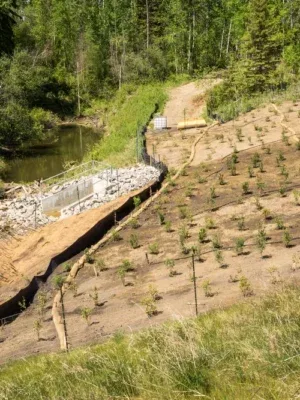
Technical Specification of POLYTAPE WG30 SILT FENCE
PolyTape PP Silt Fence is a UV-stabilised 100% polypropylene woven silt fence engineered for sediment retention and erosion control on construction sites, road and highway projects, mining rehabilitation, land development and environmental protection applications. Cut from PolyTape WG30HF high-strength woven PP tape geotextile and selvedged on all edges, PolyTape PP Silt Fence combines 30 kN/m tensile strength with a characteristic opening size of O90 300 µm — retaining fine sediment particles while passing clean water freely at 39 l/m²/s. Selvedged edges eliminate fraying, raw edge failure and fabric degradation at fold and staple points - the primary failure mode of cheap nonwoven silt fences on African project sites.
Available in three widths - 500 mm, 600 mm and 700 mm - in 100 m rolls, PolyTape PP Silt Fence is sized for standard timber post and steel picket silt fence installations. UV-stabilised for sustained performance through Africa's high solar radiation exposure during construction programmes. Weathering resistance certified at 90% retained strength (EN 12224). Resistant to soil chemicals, mildew and biological agents - maintaining sediment retention performance for the full duration of construction site exposure without fabric degradation or permeability loss.
Geosynthetics Africa supplies PolyTape PP Silt Fence across 30+ African countries with pan-African logistics and technical selection support. Where environmental compliance, stormwater management plans and erosion and sediment control specifications require a published, tested and certified silt fence - PolyTape PP Silt Fence is the specified woven PP solution. Not a nonwoven. Not unspecified. Not uncertified.
Typical Values for GEOTEXTILE FABRICS
Properties & Dimensions
| Property | Test Method | PolyTape SiltFence WG30 |
|---|---|---|
| Tensile Strength MD/CD | EN ISO 10319 | 30 kN/m / 30 kN/m |
| Elongation MD/CD | EN ISO 10319 | 15% / 10% |
| Static Puncture Resistance | EN ISO 12236 | 3,200 N |
| Dynamic Perforation | EN ISO 13433 | 20 mm |
| Characteristic Opening Size O90 | EN ISO 12956 | 300 µm |
| Water Permeability | EN ISO 11058 | 39 mm/s |
| Water Flow Rate | EN ISO 11058 | 39 l/m²/s |
| Water Flow Rate | EN ISO 11058 | 100 g/m² |
| Mass per Unit Area | EN ISO 9864 | 145 g/m² |
| Thickness (2kPa) | EN ISO 9863-1 | 0.6 mm |
| Weathering Resistance | EN 12224 | 90% retained strength |
| Available Widths | Measured | 500 mm · 600 mm · 700 mm |
| Roll Length | Measured | 100 m |
| Edge Finish | - | Selvedged — no raw edges |
| Fabric Certification | - | ISO 9001:2015 · CE Marked |
Popular Catalogue Items
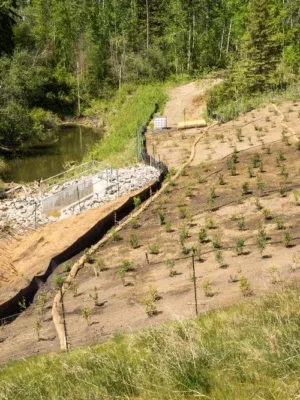
Related Product Groups
Three Questions To Ask Before You Order
1.What is the difference between a woven PP silt fence and a nonwoven silt fence?
2.What width should I specify for my project?
3.What post spacing should I use for PolyTape PP Silt Fence?
4.How long will PolyTape PP Silt Fence last on site?
5.Can PolyTape PP Silt Fence be used in stormwater management plan submissions?
6.How do I join silt fence rolls on long runs?
Specification For The Design, Installation Of POLYTAPE WG30 SILT FENCE
Post Installation - Drive timber or steel picket posts to minimum 400 mm depth - 600 mm on loose, sandy or disturbed soils. Space posts 1.5–2.0 m for timber, 2.0–2.5 m for steel picket on flat to moderate gradients. Reduce to 1.0–1.5 m spacing on steep gradients and high flow volume sites. Posts must be vertical and aligned to the design fence line before fabric attachment.
Trench & Fabric Placement - Excavate a 150 mm deep × 150 mm wide anchor trench along the upslope face of the post line. Unroll PolyTape PP Silt Fence along the post line and lay the bottom 150 mm of fabric into the anchor trench. Attach fabric to posts with staples or ties at maximum 150 mm spacing from top to bottom - selvedged edges must be secured at every fixing point. Never leave raw fabric edges exposed at post fixings.
Anchor Trench Backfill - Backfill the anchor trench with compacted soil immediately after fabric placement - do not leave the trench open. Compact firmly to prevent underflow bypass beneath the fence. Underflow bypass is the most common installation failure on African construction sites and renders the fence ineffective regardless of fabric performance.
Joining & Maintenance - Overlap adjacent rolls by minimum 300 mm at a post position - never mid-span. Secure overlaps at 100 mm staple spacing top to bottom. Inspect monthly and after every significant rainfall event. Remove accumulated sediment when it reaches 50% of fence height - do not allow sediment to overtop. Replace damaged sections immediately. At site completion, remove posts, roll and dispose of fabric responsibly - 100% polypropylene construction is fully recyclable.
Featured Projects Across Africa
Related Resources
Common PP POLYTAPE SILT FENCE Applications
Request a Quote for This Product Family
Upload your BOQ, drawings, or specifications and our technical team will provide a detailed proposal.
Have a project? Start with us.
Get expert engineering support, reliable material supply, and best-in-class installation.