
FlowTex Dewatering Bags & Tubes
FlowTex geotextile dewatering bags and tubes, manufactured in South Africa for mine tailings, sludge lagoons, dredging spoil, borehole and wash-plant slurry, and construction site runoff. Available in slit film and monofilament woven fabrics, each selected to match feed particle size and required flow rate - retaining fines while releasing clean effluent for discharge or reuse. Local fabrication means project-specific sizing without import lead times, from small site bags to large containment tubes, with custom inlet ports and lifting configurations to suit your pumping setup. UV-stabilised for extended outdoor exposure and compatible with polymer conditioning programmes. Backed by feed characterisation, sizing calculations and on-site commissioning support, with Pan-African delivery
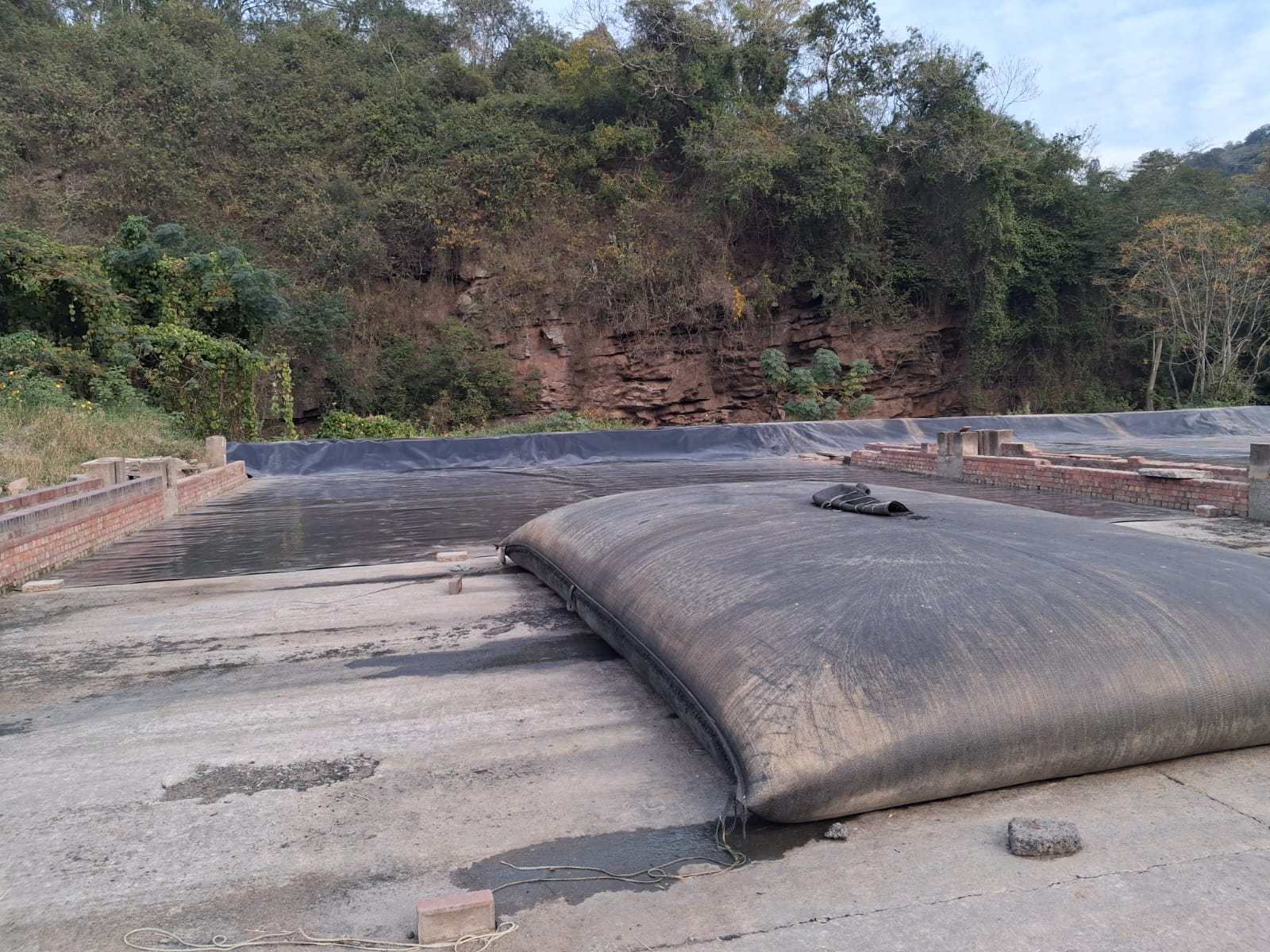
Technical Specification of FlowTex Dewatering Bags & Tubes
The FlowTex range of geotextile dewatering bags and tubes is manufactured in South Africa by Geosynthetics Africa, engineered specifically to address the limitations of generic dewatering products that have dominated the local market for decades. Two distinct fabric technologies are offered under the FlowTex brand, each suited to different slurry types, dewatering durations, and solids loading conditions. FlowTex HF uses a high-strength woven slit film polypropylene fabric for general and high-volume dewatering applications. FlowTex Mono uses a woven monofilament polypropylene fabric engineered for non-clogging performance in fine-grained, fines-rich, and long-duration applications where standard slit film products fail to maintain adequate flow rates.
The FlowTex slit film range is produced in four fabric grades from 30 kN/m up to 105 kN/m biaxial tensile strength, with UV-stabilised threads and reinforced infill ports as standard across all grades. The highest grade at 105 kN/m biaxial represents a tensile specification substantially beyond the 58 kN/m uniaxial maximum available from most locally sourced slit film dewatering products. This strength differential is critical when filling large-diameter tubes at high internal pressures, where fabric and seam failure presents both an operational and safety risk. FlowTex slit film is suited to construction site dewatering, stormwater sediment management, medium-volume slurry containment, and applications where coarser particle retention is acceptable.
FlowTex Mono is built on a premium monofilament woven polypropylene fabric with a controlled opening size of 180 microns and a three-dimensional pore structure that resists particle blinding under sustained solids loading. Unlike slit film fabrics, where flat polypropylene tape creates a planar pore geometry prone to progressive clogging, the monofilament weave maintains consistent hydraulic performance through the full dewatering cycle. This makes FlowTex Mono the correct specification for mine tailings, fine clay slurries, biological sludges, and any application where dewatering time and effluent quality are critical. FlowTex Mono also offers superior mechanical durability, with 40 kN/m tensile strength and enhanced seam construction suited to demanding site conditions and multi-fill applications.
All FlowTex bags and tubes are manufactured to project-specific dimensions, with standard sizes held in stock for immediate dispatch and custom fabrications available for larger tube installations. As a South African manufacturer, Geosynthetics Africa offers lead times that imported alternatives cannot match, with direct technical support, polymer programme guidance, and on-site sizing assistance included as part of the supply relationship. FlowTex products are supplied across South Africa, Namibia, Botswana, Zimbabwe, Zambia, Mozambique, Tanzania, Kenya, and the broader sub-Saharan region.
Typical Values for DEWATERING SYSTEMS
Properties & Dimensions
| Property | FlowTex HF WG30 | FlowTex HF WG45 | FlowTex HF WG60 | FlowTex HF WG105 | FlowTex Mono 40 |
|---|---|---|---|---|---|
| Fabric Type | Slit film woven PP | Slit film woven PP | Slit film woven PP | Slit film woven PP | Monofilament woven PP |
| Tensile Strength (MD/CMD) | 30 kN/m biaxial | 45 kN/m biaxial | 60 kN/m biaxial | 105 kN/m biaxial | 40 kN/m biaxial |
| UV Stabilisation | Yes | Yes | Yes | Yes | Yes |
| Infill Ports | Reinforced | Reinforced | Reinforced | Reinforced | Reinforced |
| Opening Size (AOS) | Coarse | Coarse | Coarse | Coarse | 180 Micron |
| Clogging Resistance | Standard | Standard | Standard | Standard | High, non-clogging |
| Suitable Particle Size | Coarse to medium | Coarse to medium | Medium | Medium | Fine silt and clay |
| Multi-fill Capable | Yes | Yes | Yes | Yes | Yes |
| Origin | South Africa | South Africa | South Africa | South Africa | South Africa |
Popular Catalogue Items
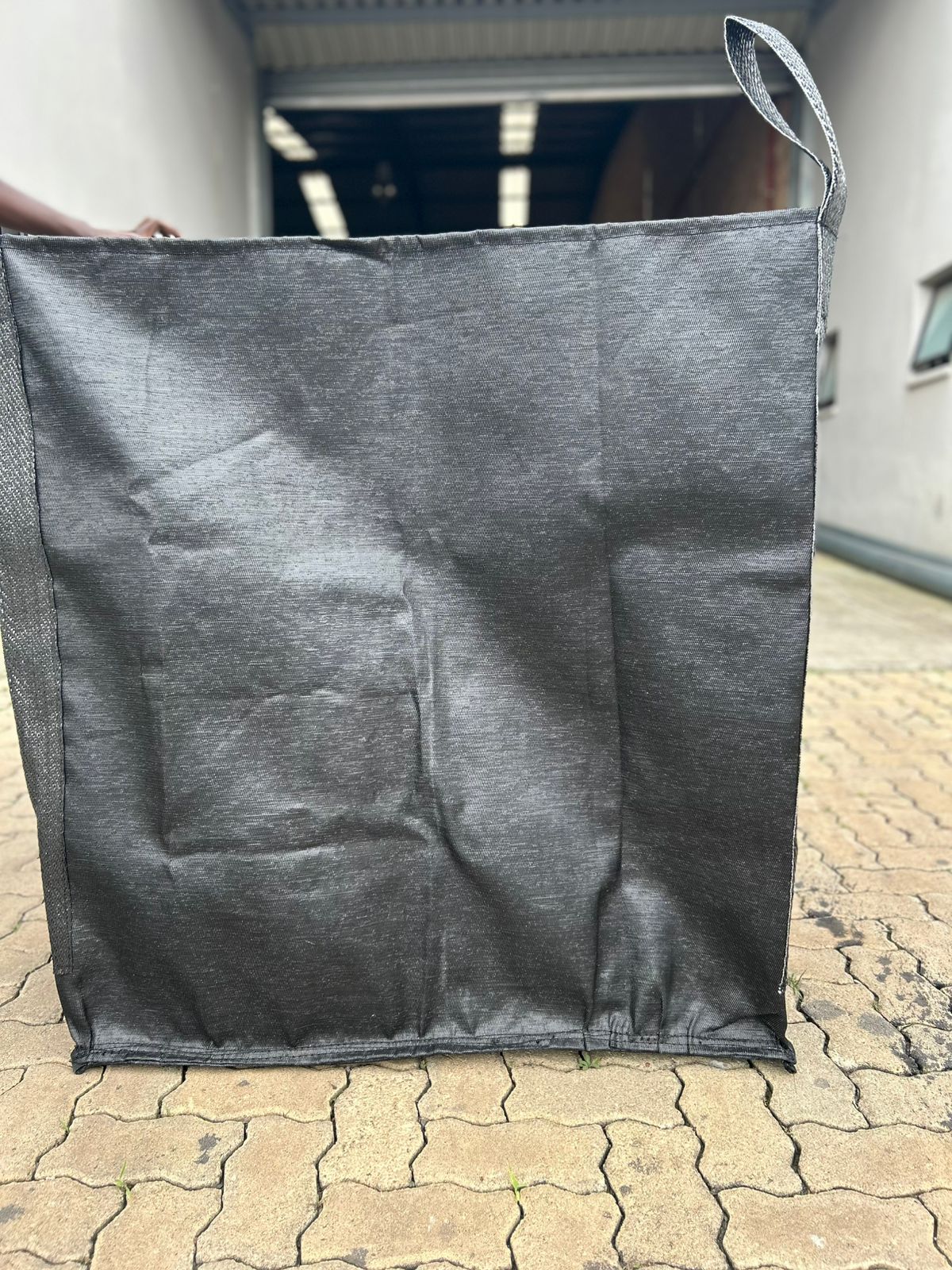
FlowTex™ - Geotextile Dewatering Bags
1m × 1m × 1m format, available in slit film woven, monofilament woven and composite fabric constructions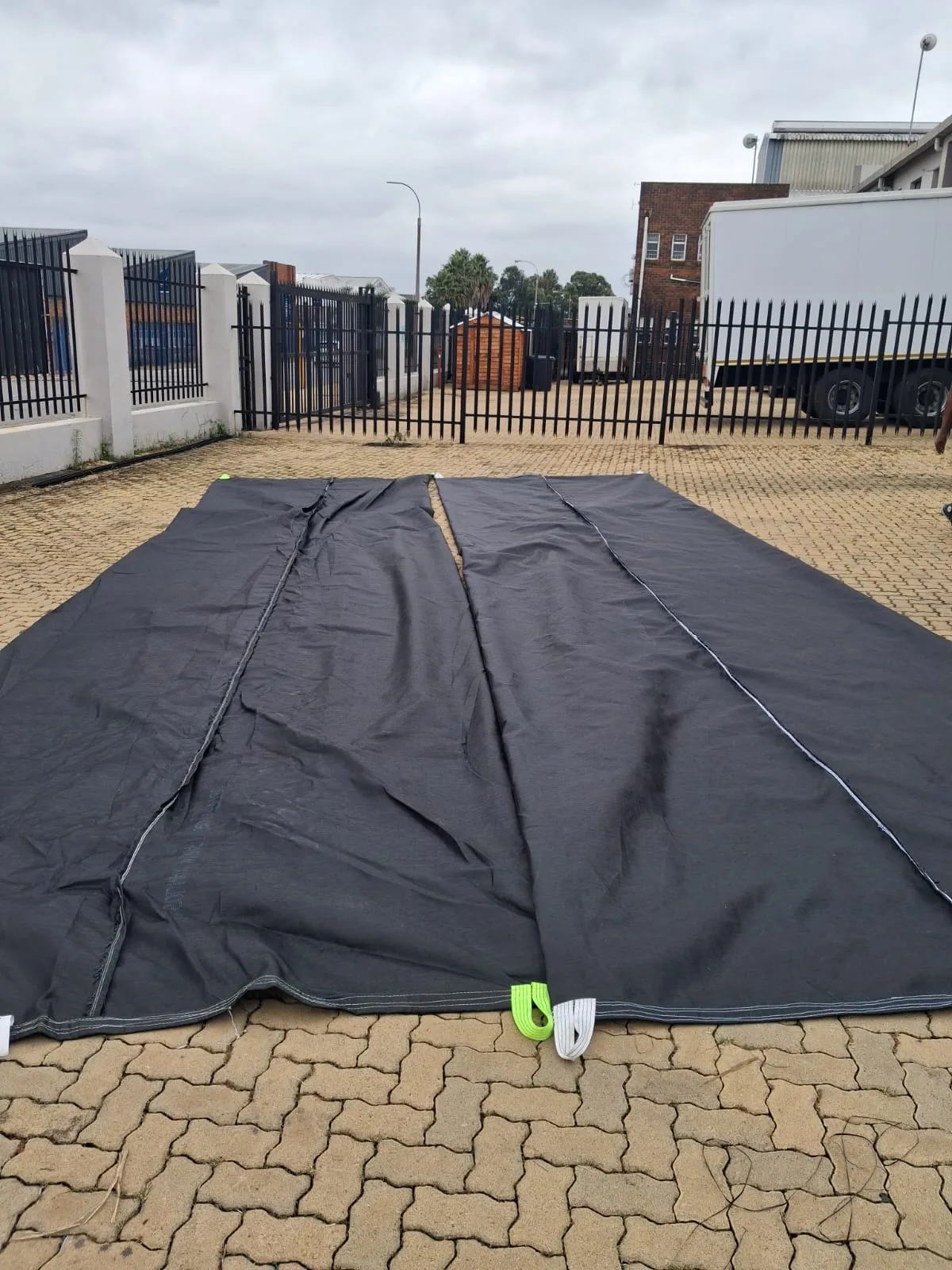
Related Product Groups
Three Questions To Ask Before You Order
1.When should I use FlowTex Mono instead of FlowTex HF slit film?
2.What does 105 kN/m biaxial mean and why does it matter?
3.What sizes are available for FlowTex bags and tubes?
4.Are FlowTex products compatible with polymer conditioning?
5.Where are FlowTex products available?
Specification For The Design, Installation Of FlowTex Dewatering Bags & Tubes
FlowTex dewatering bags are deployed on a stable, prepared surface with adequate drainage fall to direct effluent away from the containment area. Position the bag with the infill port orientated to receive the slurry feed from a pump or gravity line. Secure the bag at the base to prevent displacement during filling. Fill at a controlled rate matched to the fabric permeability and slurry characteristics. Do not exceed the design fill height as overfilling stresses seams and reduces fabric life. Where slurry contains significant fine particles, polymer dosing upstream of the bag inlet will improve filtration performance and effluent clarity. FlowTex Mono fabric is the correct specification for high-fines applications where sustained flow rate must be maintained. Dewatered bags must be allowed to drain fully before handling, and disposed of in accordance with the waste classification of the retained solids.
Select and prepare a level containment area capable of supporting the filled weight of the tube, with an impermeable base liner to capture and redirect effluent to a collection point. Unroll the tube along its full intended length before filling begins, with all infill ports orientated upward. Connect pump supply lines to the infill ports and verify connections before starting. Conduct a Jar Test prior to filling to confirm polymer type, dosage, and compatibility with the slurry chemistry. Fill at a controlled rate to avoid overpressurising the fabric, particularly on large-diameter WG105HF units where internal pressures are highest. Allow adequate dewatering time between fill cycles before refilling. Dewatered tubes are disposed of in accordance with the waste classification of the retained solids, or cut open for mechanical removal of consolidated material where beneficial reuse or landfill disposal is planned.
Featured Projects Across Africa
Related Resources
Common FLOWTEX DEWATERING TUBES BAGS Applications
Request a Quote for This Product Family
Upload your BOQ, drawings, or specifications and our technical team will provide a detailed proposal.
Have a project? Start with us.
Get expert engineering support, reliable material supply, and best-in-class installation.