IAGI Installer Member
Crews across Africa
Delivered to site
IAGI Installer Member
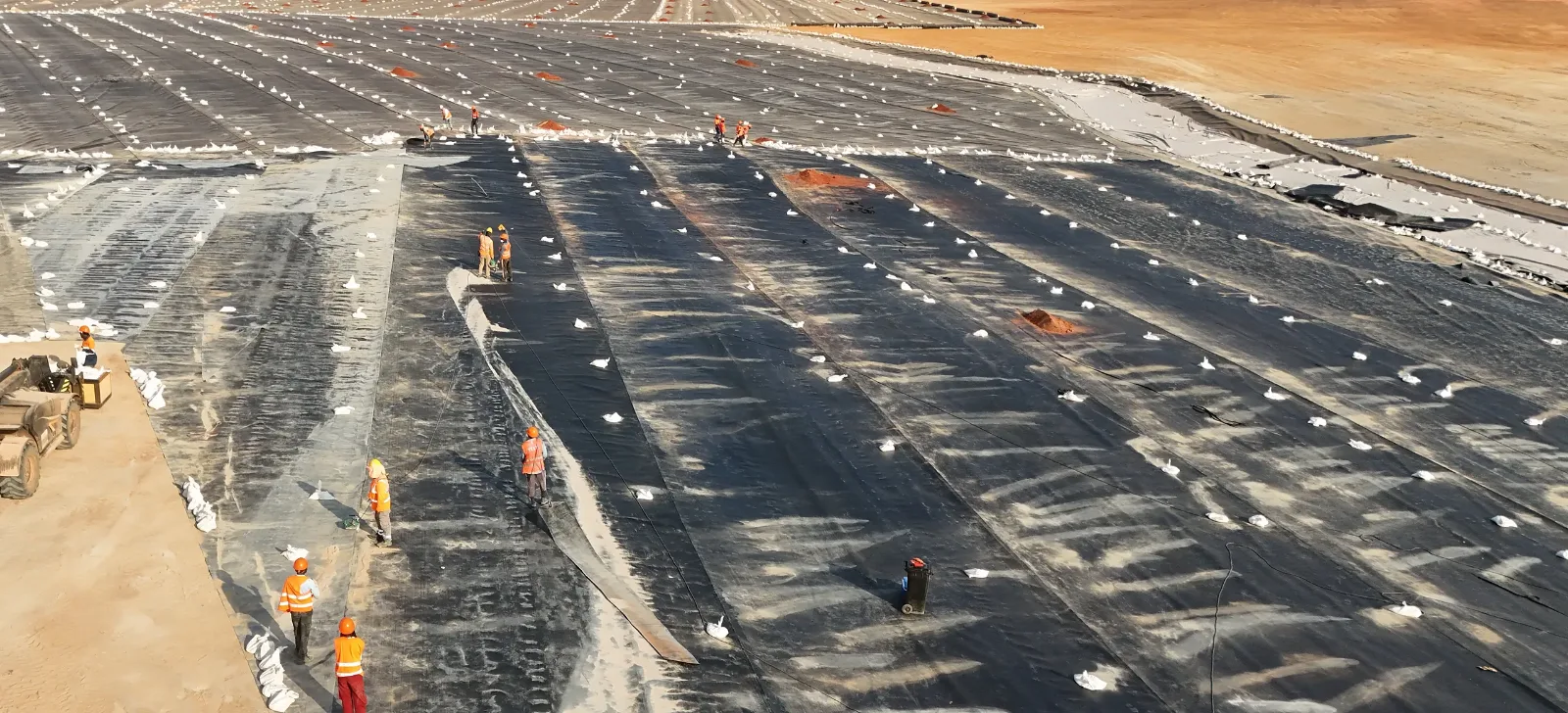
HDPE geomembrane, geotextiles, geogrids and GCL supplied and installed across Namibia - uranium mining process ponds and tailings facilities in the Erongo region, farm and municipal water storage reservoirs, aquaculture and mariculture ponds, landfill lining and tailings works at the Tsumeb and Otjikoto operations. Delivered direct by road from South Africa under SACU, with no import duty and no port clearance delay.
Freight Transit
Windhoek: 3–4 days · Walvis Bay & Swakopmund: 4–5 days · Northern regions: 5–6 days
Field Crews
Installation crews deployed from South Africa
QA/QC Testing
100% Seam Verification
Compliance
GRI-GM13
Material moves by road directly from South Africa with no ocean freight, no container handling and no port clearance queue. Gauteng cargo runs the Trans-Kalahari Corridor through Buitepos, while Cape and Northern Cape consignments enter at Vioolsdrif–Noordoewer on the B1. As both countries are members of the Southern African Customs Union, goods move duty-free - a direct cost advantage over material imported into Walvis Bay from Asia or Europe.
Johannesburg → Trans-Kalahari Corridor → Buitepos → Windhoek → Walvis Bay / Swakopmund · Cape Town → N7 → Vioolsdrif / Noordoewer → Keetmanshoop → Windhoek · Windhoek → B1 north → Otjiwarongo → Tsumeb / Otjikoto · Keetmanshoop → Rosh Pinah / Oranjemund
Clearance through the Namibia Revenue Agency at Buitepos or Vioolsdrif–Noordoewer with a licensed clearing agent. As Namibia and South Africa are both SACU members, no import duty applies and no certificate of origin is required to claim preference. Manufacturer quality control certificates supplied per roll.
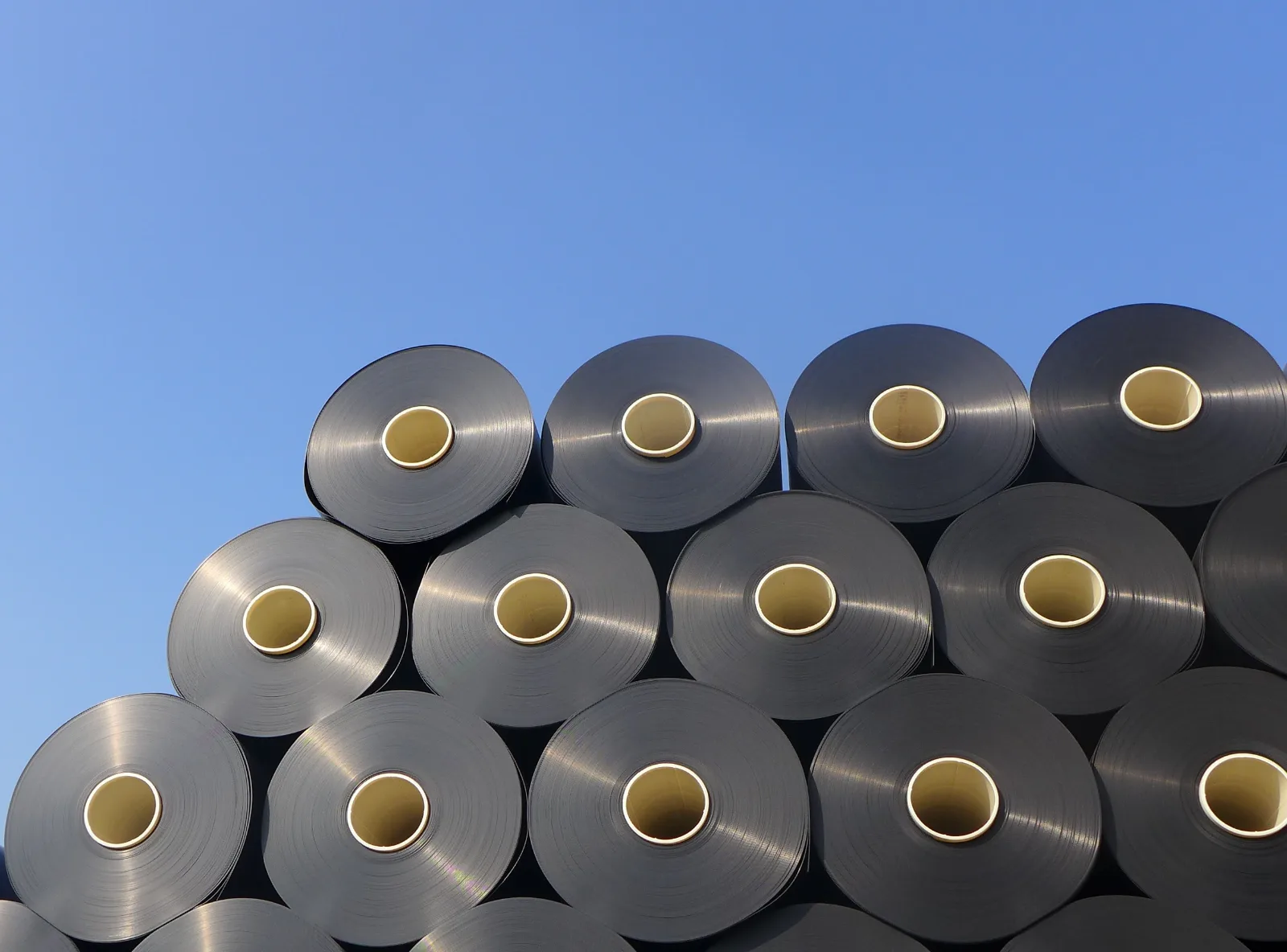
Geomembrane and geotextile rolls loaded in South Africa and delivered direct to site by road, in heavy-duty protective wrapping, each roll numbered and traceable to resin batch through manufacturer quality control certificates. No container packing, no port handling and no clearance queue - under SACU the material crosses duty-free. Conformance testing to GRI-GM13 available where the specification requires it.
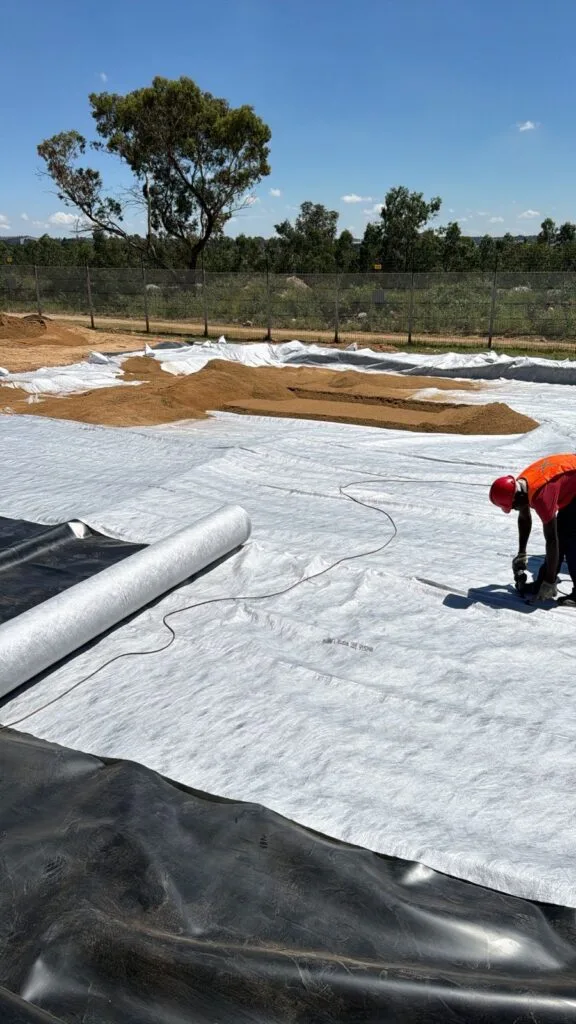
Dual-track hot wedge fusion creates a sealed air channel along every primary seam, allowing 100% non-destructive pressure testing to ASTM D5820. Extrusion welding handles patches, penetrations and pipe boots, verified by vacuum box to ASTM D5641. Trial welds are run at the start of each shift and whenever material temperature shifts - critical on Namibian sites, where sheet temperature can swing dramatically between early morning and midday sun.
Qualified welding crews mobilised from South Africa for geomembrane installation, seaming and testing — uranium process ponds and tailings facilities in the Erongo region, farm and municipal water storage reservoirs, aquaculture and mariculture ponds on the coast, landfill cells and mine site works at Tsumeb, Otjikoto and Rosh Pinah. Crews travel with their own wedge and extrusion welders, generators, test equipment and calibration records. Exposed installations are specified in properly stabilised black HDPE for the UV and thermal extremes of the Namib and the interior.
48 hours to Windhoek · 3–4 days to Erongo and the coast · 4–6 days to Rosh Pinah, Oranjemund and the far north
Installation crews deployed from South Africa
Material supplied to GRI-GM13 with manufacturer quality control certificates traceable per roll, and independent conformance testing where the specification requires it. Every fusion seam is air channel tested and all extrusion welds vacuum box tested, with destructive coupons assessed against GRI-GM19. Ambient and sheet temperatures are logged through each shift, with trial welds repeated on any material change - necessary given the diurnal swing on Namibian sites. Handover includes as-built panel drawings, a full test log and a closed-out repair register.
Custom layout planning to prevent thermal stress wrinkling under Namibian sun.
Container-direct and warehouse inventory available for immediate dispatch.
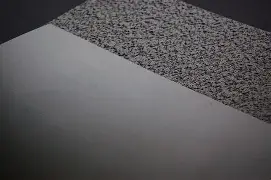
GRI-GM13 and SANS 1526 certified smooth HDPE geomembrane from Solmax GSE, 1.0mm to 3.0mm, 100% virgin resin. The standard profile for flat and gently graded containment on slopes to 3H:1V - TSF base liners, landfill cells, reservoirs, canals and process ponds. 7m rolls. Ex-stock supply, IAGI-aligned installation and full QA dossier across 30+ African countries.
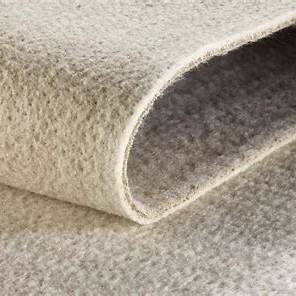
Eurobent GCL, supplied and installed across Africa by Geosynthetics Africa. A reinforced bentonite mat combining two or more layers of geotextile with bentonite, a clay with strong swelling ability, needle-punched into a durable sealing layer that acts as a barrier to liquids, vapour and gases. Available in grades from 3500 to 6000 g/m² net bentonite.
Proven containment, tailings dam, and infrastructure installations across Southern and Pan-Africa.
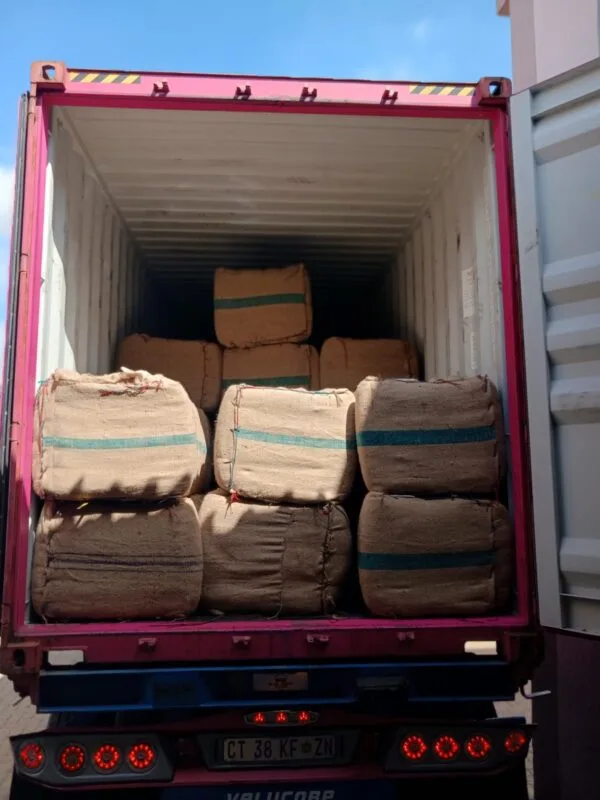 Zimbabwe
Manicaland/ Mutare
Supply of JuteSoilLock™ 292 erosion-control material for a 210,000 m² river-rehabilitation programme in Zimbabwe, with coordinated delivery to the project.
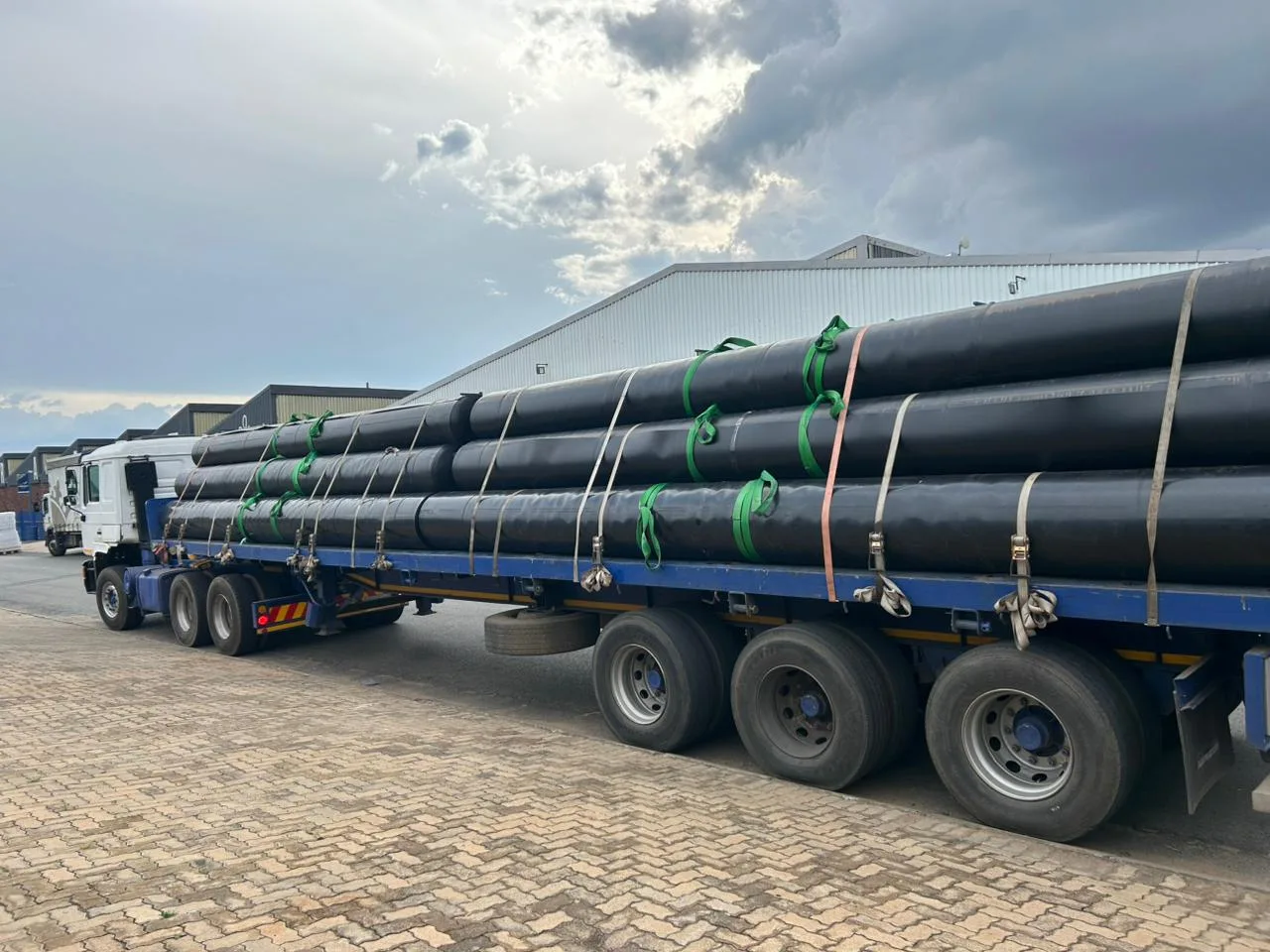 Botswana
Karowe
Supply of 15,000 m² of 1.5 mm GSE® HDPE geomembrane to Lucara Diamonds’ Karowe operation in Botswana, with delivery coordinated around the project programme.
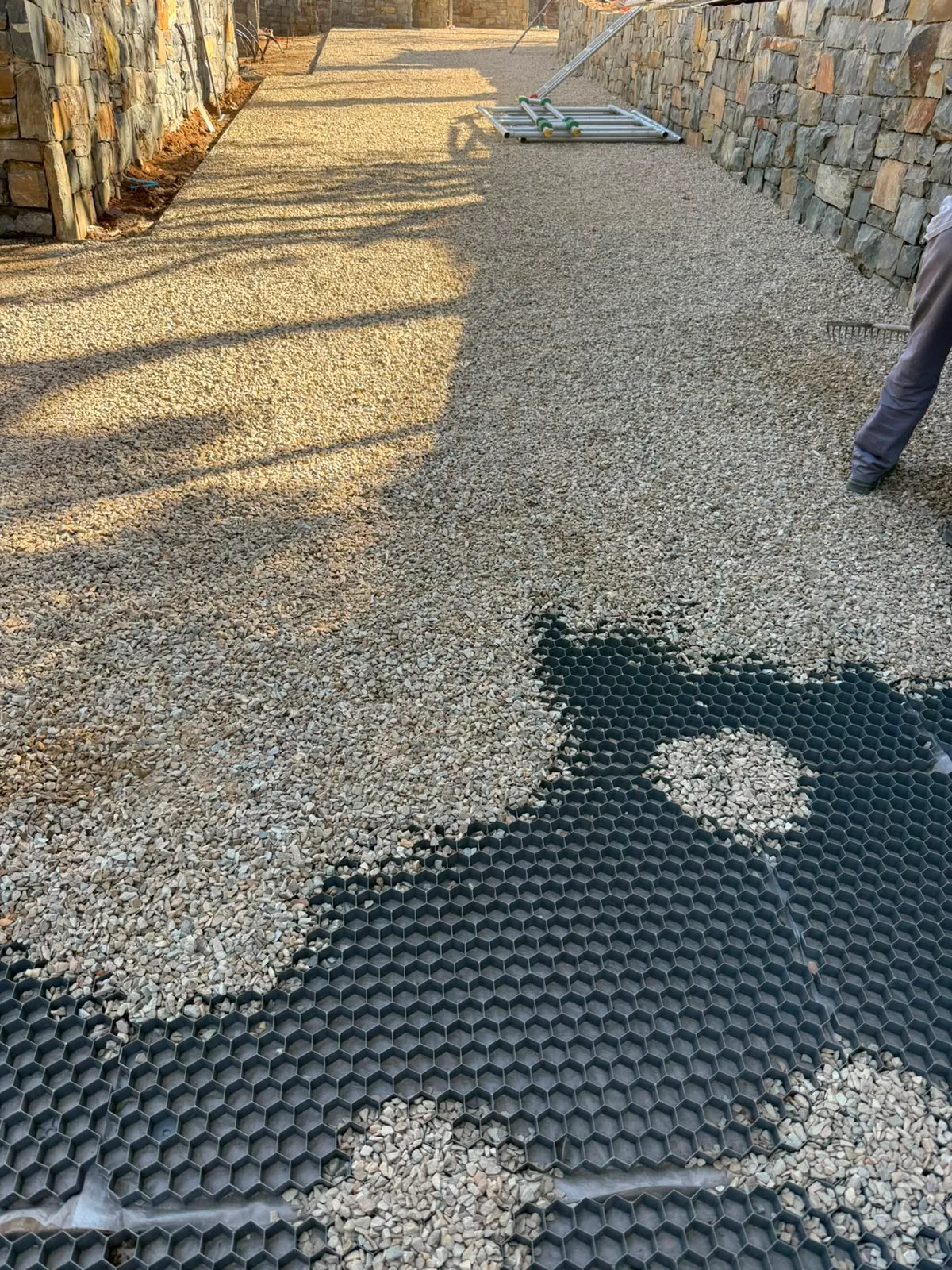 South Africa
Western Cape
Supply and installation of BERA Gravel Fix® Pro across a 1,300 m² guesthouse driveway in Constantia, Cape Town, with gravel infill and landscape edging.
Immediate response for BOQ pricing, roll availability & freight lead times.
Logistics, import clearance, and technical specifications for local projects.
Global Best-in-Class Materials
Integrated into engineered systems


Get a quote – not just a price.
Upload your BOQ or speak to our technical team for expert recommendations and support.
